

How Does the CRA Differentiate Personal Use vs. Rental Use for Non-Residents?
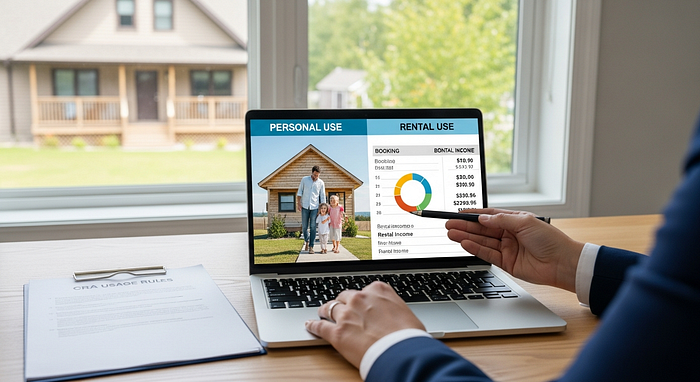
If you’re a non-resident who owns property in Canada, you might use it for personal vacations part of the year and rent it out the rest of the time. Seems simple, right? Unfortunately, for tax purposes, the Canada Revenue Agency (CRA) sees things differently.
The CRA needs to know exactly when your property is being used personally and when it’s earning rental income — because each period is taxed differently, and misreporting can cost you deductions or trigger an audit.
Here’s how the CRA distinguishes personal use from rental use, and what non-residents need to document to stay compliant.
1. Rental Use = Canadian-Source Income
Whenever your property is rented — whether to family, friends, or strangers — that income is considered Canadian-source rental income.
That means it’s taxable under:
Part XIII (25% withholding on gross rent), or
Section 216 (tax on net income, after deductions)
If you collect rent, you must file or remit taxes, even if you only rent out your property for a few weeks a year.
2. Personal Use = No Rental Income, No Deductions
When you or your family use the property personally, those days are not rental activity. You don’t pay tax on them — but you also can’t claim any deductions for that period.
The CRA expects you to prorate your expenses between rental and personal use. For example:
Property rented for 6 months = 50% rental use
Property personally used for 6 months = 50% personal use
If your total property tax is $4,000, only $2,000 is deductible against rental income.
3. Fair Market Value (FMV) Rule for Family Rentals
Many non-residents rent their property to relatives or friends at discounted rates. The CRA calls this non-arm’s-length rental, and it changes your tax treatment.
If you charge below fair market value (FMV) rent, the CRA treats it as personal use, not rental income.
That means:
You still have to report the income, but
You lose most of your deductions for that period
In short, renting to family at a discount can raise your tax bill instead of lowering it.
4. Short-Term vs. Long-Term Rentals
If your property is rented frequently for short stays (Airbnb-style), the CRA may consider it a business activity, not passive rental income.
That classification affects how your deductions and filings are handled — and may even require GST/HST registration if annual revenue exceeds $30,000.
5. Keep a Use Log
To avoid confusion or disputes with the CRA, keep a calendar or log showing when the property was rented and when it was used personally.
This can include:
Booking records or Airbnb calendars
Utility bills showing occupancy periods
Travel dates if you used the property personally
Tenant lease agreements
This log becomes invaluable if the CRA questions your expense allocations.
6. Changing from Personal to Rental Use
If you convert a vacation home into a full-time rental, the CRA considers that a change in use, which can trigger capital gains implications. You may need to file a Section 45(2) election to defer immediate taxes.
Always consult a professional before making this switch — the timing and documentation matter.
