
What Happens If a Non-Resident Fails to Report Canadian Rental Income?
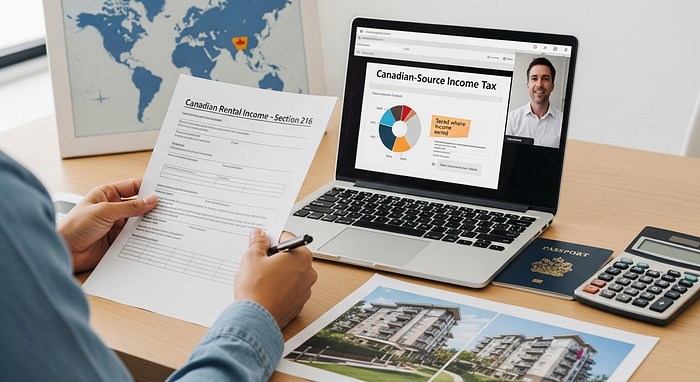
Owning property in Canada while living abroad can be a rewarding investment, but it comes with responsibilities — especially when it comes to tax compliance. One of the most common and costly mistakes non-resident landlords make is failing to report their Canadian rental income.
If you’re earning rental income from Canadian property and not reporting it properly to the Canada Revenue Agency (CRA), you’re not just ignoring paperwork. You’re triggering a chain of penalties, interest charges, and legal complications that could impact your financial future, credit standing, and ability to do business in Canada.
The CRA Is Not Lenient With Non-Resident Compliance
By law, any non-resident earning Canadian-source income, including rent from real estate, is required to pay taxes to the CRA. Even if you live in another country, if the property is located in Canada, that income falls under Canadian jurisdiction.
If you don’t report your rental income — or don’t report it correctly — the CRA treats it as non-compliance, even if the omission was unintentional.
Withholding Tax Doesn’t Protect You from Reporting
A common misunderstanding is that if a property manager or tenant is already withholding 25% of gross rent and remitting it to the CRA, then there’s nothing else you need to do.
Wrong.
Unless you’ve filed the NR6 form and elected under Section 216 of the Income Tax Act, you are forfeiting your right to deduct expenses. Even worse, if no tax is withheld and you fail to report income, the CRA can back-charge the missing amounts, add interest, and issue penalties.
These penalties can include:
- 25% tax on unreported gross income
- Late filing penalties (minimum $100 or more)
- Interest charges accruing monthly
- Denial of future NR6 or Section 216 filings
- Delays in selling the property due to tax clearance issues
You Can’t Sell or Refinance Without Clearance
If you ever plan to sell your Canadian property, the CRA requires a Certificate of Compliance to release the funds. If you haven’t reported income properly, or have unpaid taxes and penalties, the clearance certificate may be delayed — or denied. This can hold up legal closings, cause financial losses, and damage your reputation.
The CRA can even instruct your lawyer to withhold 25% or more of the sale proceeds until your account is in order.
There’s Still Time to Correct It
The good news is that the CRA offers programs like the Voluntary Disclosures Program (VDP). If you come forward before an audit begins, you may be able to correct your filings, pay any owed taxes, and reduce or eliminate penalties.
But this option only exists before they catch the error — once the audit starts, the window closes.
